


VARK Learning in Post Covid
Table of Contents

TL;DR: Adapting to New Norms: VARK Learning Strategies in the Post-Covid Era
- VARK Learning Styles: Understanding the four types of learning styles (Visual, Auditory, Reading/Writing, Kinesthetic) can help tailor teaching methods to cater to diverse student needs.
- Flexibility in Teaching: Post Covid, educators should be prepared to adapt instructional strategies to accommodate remote learning, hybrid models, and individual preferences based on VARK learning styles.
- Technology Integration: Embracing tech tools like multimedia resources, interactive online platforms, and virtual simulations can enhance learning experiences for VARK-based instruction.
- Personalized Learning Plans: Creating personalized learning plans for students based on their VARK preferences can lead to improved engagement, retention, and overall academic success.
- Collaborative Learning Environments: Encouraging collaboration among students with different VARK styles can foster a holistic approach to learning that benefits from diverse perspectives and enhances critical thinking skills.
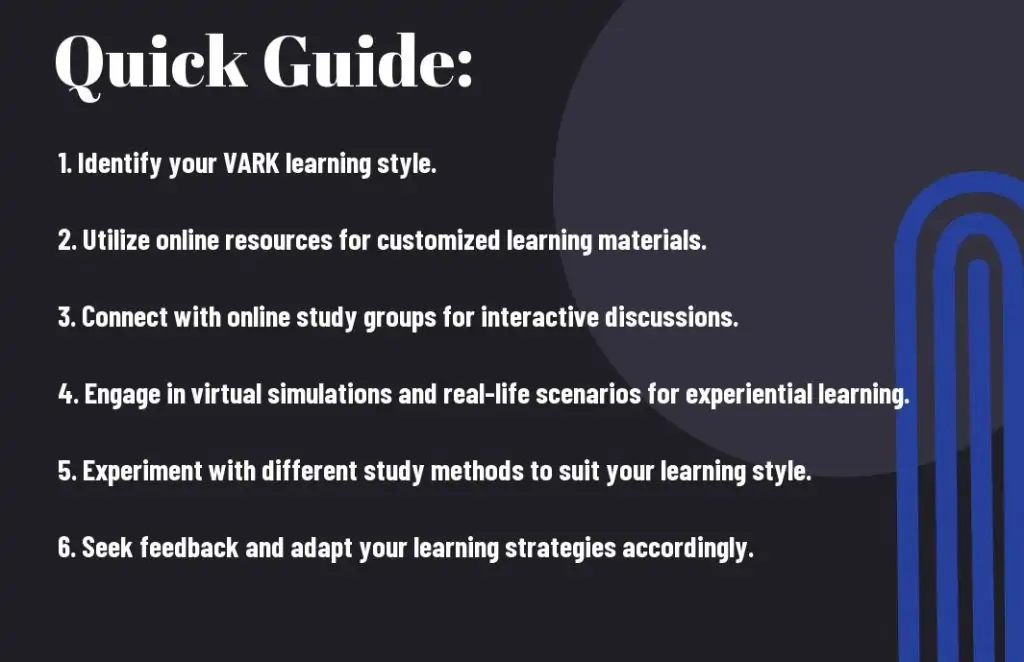
Many educational institutions have transitioned to online learning in response to the Covid-19 pandemic, revolutionizing the way students absorb information. Understanding individual learning styles is crucial for effective teaching. The VARK model categorizes learners into Visual, Auditory, Reading/Writing, and Kinesthetic styles. Post Covid, educators must adapt their teaching methods to accommodate various learning styles and provide an inclusive learning environment. Identifying and catering to students’ predominant learning styles can enhance learning outcomes and ensure that every student is given the opportunity to succeed in a post-pandemic educational landscape.
Types of VARK Learning Strategies Post-Covid
There’s a pressing need to adapt VARK learning strategies in the post-pandemic educational landscape. It is vital for educators to tailor their teaching methods to accommodate various learning styles efficiently. Knowing the types of VARK learning strategies available can significantly enhance the learning experience for students.
| Visual Learning Adaptations | Auditory Learning Innovations |
| Reading/Writing Adjustments | Kinesthetic Learning in a New Era |
Visual Learning Adaptations
Visual learners thrive in a learning environment that utilizes images, graphs, and videos to convey information. Post-Covid, incorporating more visual aids in virtual classrooms can enhance engagement and comprehension for these learners.
Auditory Learning Innovations
Learning through audio cues and verbal instructions is the preferred style for auditory learners. In the current educational landscape, integrating podcasts, recorded lectures, and verbal explanations can cater to the needs of auditory learners.
Reading/Writing Adjustments
Little adjustments such as providing detailed written instructions, interactive e-books, and encouraging note-taking can significantly benefit reading/writing learners. These adaptations can help them digest information effectively in the digital realm.
Kinesthetic Learning in a New Era
Types of Kinesthetic learners thrive in hands-on activities and real-life simulations. This hands-on approach can be incorporated through virtual labs, interactive simulations, and practical exercises to cater to their learning style in the post-Covid era.
Step-by-Step Implementation of VARK in a Post-Covid Era
Assessing Learner Preferences
An imperative step in implementing VARK learning in a post-Covid era is to assess learner preferences. Utilize VARK questionnaires or surveys to understand how students prefer to receive and process information – whether it’s visual, auditory, reading/writing, or kinesthetic.
Tailoring Content to VARK Modalities
VARK modalities suggest that individuals have different preferences for learning. Understanding and tailoring content to suit visual, auditory, reading/writing, or kinesthetic learners can enhance engagement and retention. Visual learners benefit from diagrams and charts, auditory learners from lectures and discussions, reading/writing learners from text-based materials, and kinesthetic learners from hands-on activities.
PostCovid With the challenges presented by the Covid-19 pandemic, understanding and accommodating different learning styles can be crucial in a post-Covid era where remote learning may continue to play a significant role. Tailoring content to VARK modalities can help educators create more effective and engaging learning experiences for students.
Integrating Technology
Content integration with technology is a key aspect of implementing VARK learning post-Covid. Using educational platforms, multimedia tools, and interactive software can help educators cater to different learning preferences and enhance student participation and comprehension.
Factors Influencing VARK Learning Post-Covid
Once again, in the post-Covid era, several factors influence VARK learning. These factors play a crucial role in determining how individuals absorb and process information. Understanding these influences is necessary for educators and learners alike to adapt to the new normal of learning.
Technological Accessibility
On the forefront of factors influencing VARK learning post-Covid is technological accessibility. With the increased reliance on online platforms for education, access to devices and stable internet connection has become imperative. Students who lack these resources might face challenges in engaging with the material and participating in virtual learning activities.
Social Distancing and Its Impact on Learning Styles
There’s a significant shift in how social distancing has impacted learning styles post-Covid. Students who thrive in collaborative settings may struggle with the limitations imposed by social distancing measures. This can lead to a decline in their ability to interact with peers and participate in group work, affecting their overall learning experience.
Accessibility:
- Availability of devices and internet access
- Challenges faced by students in virtual learning
- Impact of social distancing on collaborative learning
Assume that educators must find innovative ways to promote collaboration among students while adhering to social distancing guidelines to ensure optimal learning outcomes.
Psychological Factors After Covid-19
On the psychological front, Psychological Factors After Covid-19 can significantly impact how individuals engage with learning materials. The mental health repercussions of the pandemic, such as anxiety and isolation, can affect a student’s ability to focus, retain information, and participate actively in the learning process.
Accessibility:
- Impact of mental health on learning abilities
- Strategies to support students’ psychological well-being
- Importance of recognizing and addressing mental health concerns
Assume that understanding and addressing these psychological factors are crucial in creating a supportive learning environment post-Covid.
Pros and Cons of VARK Learning Post-Covid
To effectively understand the advantages and disadvantages of VARK learning in the post-Covid era, a comprehensive analysis is necessary. Below, you will find a breakdown of the pros and cons of utilizing VARK learning methods in the current educational landscape:
| Advantages | Challenges |
|---|---|
| Flexibility in learning styles | Technological barriers |
| Personalized learning experience | Lack of in-person interaction |
| Increased student engagement | Maintaining motivation levels |
| Accessibility to resources | Ensuring assessment authenticity |
| Enhancing collaborative opportunities | Monitoring individual progress |
Advantages in the Changed Educational Landscape
To navigate the changed educational landscape post-Covid, educators must embrace the benefits offered by VARK learning methods. In the article “Enhancing Students Learning in an Undergraduate …“, the authors emphasize the importance of adapting teaching strategies to meet the evolving needs of students.
Challenges and Limitations in Adopting VARK
Assuming the adoption of VARK learning post-Covid, educators may encounter challenges and limitations in effectively implementing these methods. Another critical consideration is the potential difficulty in catering to diverse learning styles and preferences within a virtual learning environment.
- Technological constraints
- Assessment authenticity
- Motivation levels
Tips for Overcoming Potential Barriers
For educators looking to overcome potential barriers in implementing VARK learning strategies, strategic measures can be taken. Plus, it is crucial to address these challenges proactively to ensure a successful transition to a post-Covid educational landscape.
- Provide training on tech tools
- Implement varied assessment methods
- Offer motivational support
Summing up
Following this exploration of VARK learning in a post-Covid world, it is evident that understanding individual learning preferences can significantly enhance the effectiveness of educational experiences. By catering to various learning styles, educators can create more engaging and personalized learning environments. As we navigate the changes brought by the pandemic, acknowledging and adapting to diverse learning needs will be crucial in promoting student success and overall academic achievement.
FAQ
Q: What is VARK Learning?
A: VARK Learning is a theory that suggests individuals have different learning preferences categorized into Visual, Auditory, Reading/Writing, and Kinesthetic modalities.
Q: How can VARK Learning be beneficial in a post-Covid world?
A: VARK Learning can be beneficial post-Covid as it allows for customized learning experiences tailored to individual preferences, making remote and hybrid learning more engaging and effective.
Q: How can educators incorporate VARK Learning strategies into their teaching methods?
A: Educators can incorporate VARK Learning strategies by diversifying their teaching approaches to include visual aids, auditory explanations, written materials, and hands-on activities to cater to all learning modalities.
Q: Can VARK Learning help students who have fallen behind due to disruptions caused by Covid-19?
A: Yes, VARK Learning can help students who have fallen behind by providing alternative methods of learning that may better suit their individual learning styles and help them catch up more effectively.
Q: Are there online resources available for implementing VARK Learning strategies in education?
A: Yes, there are several online resources that provide guidelines and tools for implementing VARK Learning strategies in both traditional and online educational settings, helping teachers create inclusive learning environments.