



Career After Diploma in Business Management: The Question Everyone Asks
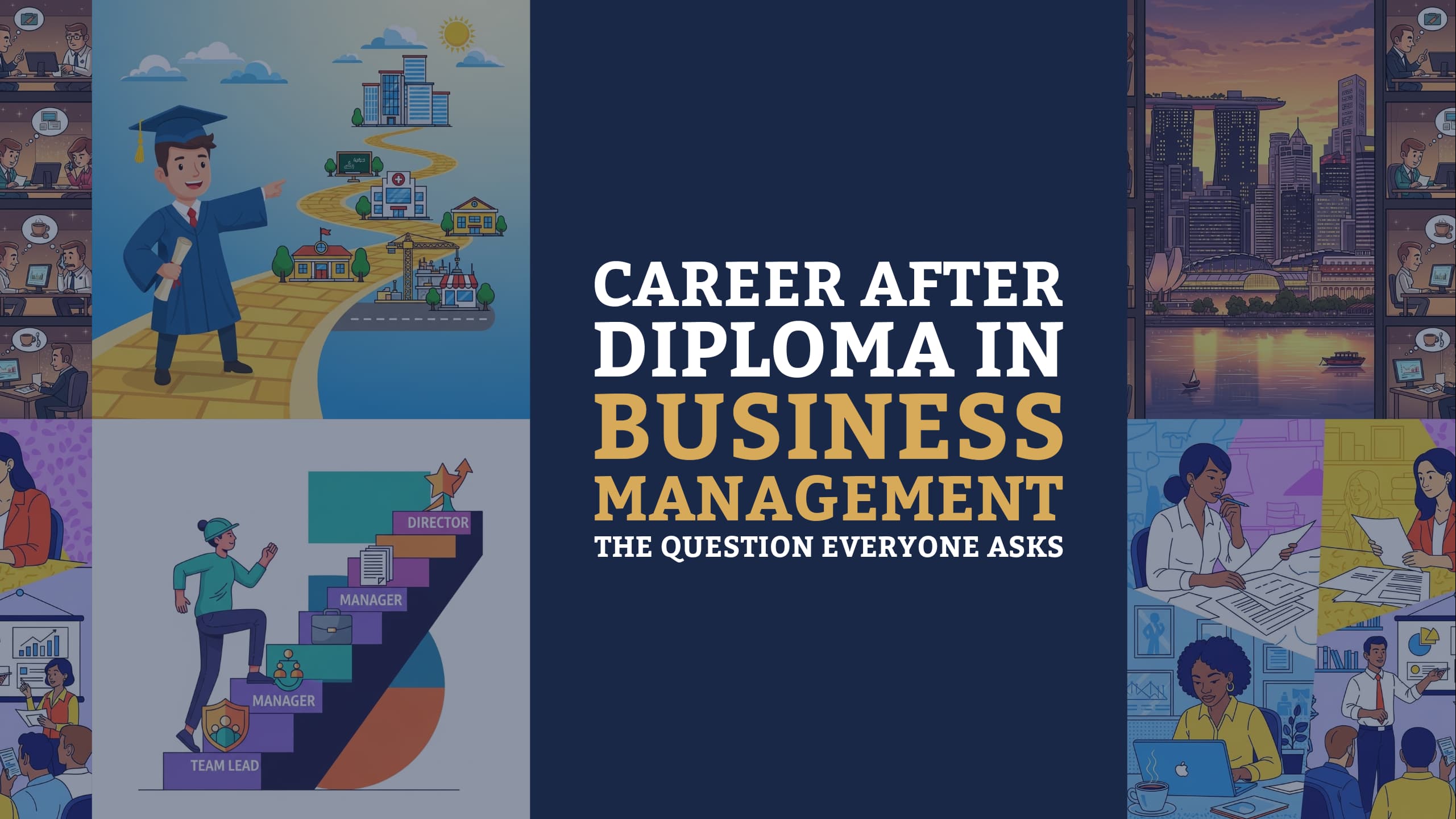
Table of Contents




TL;DR: Career After Diploma in Business Management
A career after a diploma in business administration opens doors to entry-level roles in management, operations, finance, marketing, and entrepreneurship.
An advanced diploma, such as the one offered by United Ceres College, builds on foundational knowledge with deeper skills in leadership, innovation, global business, and ethical decision-making.
Career paths depend on your skills, experience, and whether you continue studying. Some students enter the workforce immediately, while others upgrade their qualifications for better roles.
There’s no single “right” path, only the one that aligns with your goals, capacity, and long-term vision.
Let’s be honest for a second. Finishing a diploma in business administration feels like a big step… but also a confusing one. You might be thinking, “Okay, I have this qualification now. But what exactly can I do with it?” And the answers online? They’re often vague. Lists of jobs, generic advice, and not much real clarity. Many graduates choose to gain experience first and then upgrade their qualifications, such as pursuing an advanced diploma, to support progression toward higher-level roles and broader long-term career development.
This may strengthen your profile for employers and help prepare you for roles that require stronger decision-making and strategic thinking. It is particularly useful for individuals aiming for faster career progression or planning to pursue further academic qualifications. So instead of just listing roles, let’s actually talk about what happens after a diploma and how your career can realistically evolve.
Career After Diploma in Business Management:
First Things First: What Does a Diploma in Business Administration Actually Give You?
A diploma in business administration is your foundation. It introduces you to how businesses operate, how teams are managed, and how decisions are made. But here’s the important part: It doesn’t make you an expert; it makes you ready to start. You typically gain knowledge in:
- Basic management principles
- Business communication
- Marketing fundamentals
- Introductory finance
- Organizational behavior
It’s like learning the language of business.
What Career Options Do You Actually Have?
Let’s break this down into something practical. After a diploma, most people enter entry-level roles. And that’s completely okay.
Common Career Paths
1. Administrative Executive
You’ll handle coordination, documentation, and internal communication. It’s not glamorous, but it’s where many careers begin.
2. Marketing Assistant
Helping with campaigns, social media, and customer outreach. If you’re creative, this can be surprisingly exciting.
3. Sales Executive
This role teaches you one thing quickly: how businesses actually make money.
4. Operations Assistant
You’ll support day-to-day business processes. Think logistics, coordination, and efficiency.
5. Customer Service Representative
It might seem basic, but it builds strong communication and problem-solving skills.
But Here’s the Reality No One Talks About
A diploma alone can sometimes feel… limiting. Not useless. Not ineffective. Just limited in depth. You might notice:
- Slower career progression
- Limited leadership opportunities
- Fewer chances to specialize
And this is where many students start considering their next step.
The Upgrade: Advanced Diploma in Business Administration
This is where things start to shift. The Advanced Diploma in Business Administration at United Ceres College is designed to take you from basic understanding to applied capability. It’s not just more content; it’s more relevance.
What Makes It Different?
This program is built around real-world business needs. Instead of just learning concepts, you learn how to:
- Analyse business environments
- Develop strategic plans
- Lead teams and projects
- Make informed financial decisions
- Understand global markets
And honestly, that changes everything.
What You Actually Learn (And Why It Matters)
Let’s walk through the modules, but in a way that actually makes sense for your career.
1. Start-Up Business
This isn’t just a theory about entrepreneurship. You learn how to:
- Build business models
- Plan operations
- Understand risks
- Use digital tools
Even if you don’t start a business, this mindset makes you more valuable in any company.
2. Innovation and Growth
This module teaches you something many employees never learn: How businesses evolve. You’ll understand:
- Growth strategies
- Change management
- Continuous improvement
Which means you’re not just following processes, you’re improving them.
3. Raising Finance Capital: Process and Law
Money matters. A lot. This module helps you understand:
- How businesses raise funds
- Legal frameworks
- Financial decision-making
And suddenly, you’re not just working in a business; you’re understanding how it survives.
4. Agile and Responsive Leadership
Leadership isn’t just about authority anymore. This module focuses on:
- Flexibility
- Team collaboration
- Project delivery
You learn how to lead in modern workplaces, not outdated ones.
5. Ethics in Business
This one is often overlooked but it’s powerful. You explore:
- Corporate responsibility
- Ethical decision-making
- Sustainability
Because long-term success isn’t just about profit it’s about trust.
6. Global Business: The Impact of Policy
In today’s world, businesses don’t operate in isolation.
You’ll learn:
- International trade
- Market expansion
- Global risks
And suddenly, your perspective becomes… bigger.
Career Opportunities After an Advanced Diploma
This is where things get interesting. An advanced diploma may support progression beyond entry-level roles, depending on experience and the industry context.
Potential Career Paths
- Business Development Executive
- Operations Manager (Junior Level)
- Marketing Executive
- Project Coordinator
- Financial Analyst (Entry-Level)
- Entrepreneur / Start-up Founder
The difference? You’re no longer just assisting, you’re contributing.
Skills That Actually Make You Stand Out
Employers don’t just look at qualifications. They look at what you can do. An advanced diploma helps you develop:
- Strategic thinking
- Leadership skills
- Problem-solving ability
- Communication confidence
- Business awareness
These are the things that lead to promotions, not just certificates.
Study Structure (And Why It Matters More Than You Think)
At United Ceres College, the program is designed to fit real life.
- Duration: 8 months
- Mode: Blended learning
- Methods: Lectures, discussions, roleplay, presentations
And here’s something important: Assessment is based 100% on projects and reports. Which means you’re not memorizing; you’re applying.
Should You Work or Study Further?
This is a very real dilemma. And honestly, there’s no universal answer.
Option 1: Start Working
- Gain experience early
- Build practical skills
- Understand industry expectations
Option 2: Continue Studying
- Gain deeper knowledge
- Access better roles
- Prepare for leadership
Option 3: Do Both (The Smart Middle)
- Study part-time
- Work simultaneously
- Grow steadily
For some learners, studying part-time while working can be a practical way to build both experience and qualifications.
The Real Question: What Kind of Career Do You Want?
Before choosing your next step, ask yourself:
- Do I want quick income or long-term growth?
- Am I ready for leadership roles?
- Do I enjoy business strategy or daily operations?
Because your answers will shape everything.
Final Thoughts
A diploma in business administration is not the end. It’s the beginning. And what you do next, whether you work, study further, or both, defines your trajectory. At United Ceres College, the Advanced Diploma is designed to build practical business knowledge and applied skills for real-world environments. So don’t rush the decision. Choose the path that feels sustainable, not just impressive.
Frequently Asked Questions (FAQs)
1. What jobs can I get after a diploma in business administration?
After completing a diploma in business administration, you can pursue entry-level roles such as administrative executive, marketing assistant, sales executive, operations assistant, or customer service representative. These roles help you gain practical workplace experience and develop essential business skills like communication, coordination, and problem-solving. While these positions may not offer immediate leadership opportunities, they provide a strong starting point for career growth.
2. Is an advanced diploma in business administration worth it?
Yes, an advanced diploma in business administration can be highly valuable, especially if you want to move beyond entry-level roles. It builds on your foundational knowledge by developing advanced skills in leadership, innovation, finance, and global business. Programs like the one at United Ceres College focus on practical learning through projects, helping you apply concepts in real-world scenarios.
3. Can I get a management role after a diploma?
While it is possible to move into a management role after a diploma, it is not very common immediately after graduation. Most employers prefer candidates with either experience or advanced qualifications for managerial positions. A diploma typically prepares you for entry-level roles where you can build foundational experience. However, if you combine your diploma with strong performance at work, leadership potential, and additional certifications like an advanced diploma, you can gradually transition into supervisory or junior management roles. Career growth in business is often a step-by-step process rather than an instant jump into leadership.
4. Should I study further or start working after my diploma?
The decision depends on your personal goals, financial situation, and career plans. Starting work allows you to gain practical experience, understand workplace dynamics, and earn income early. On the other hand, continuing your studies such as pursuing an advanced diploma helps you build deeper knowledge and qualify for better roles in the future. Many students choose a balanced approach by studying part-time while working, which allows them to gain both experience and qualifications simultaneously. This approach is often effective in building a strong, well-rounded career profile without overwhelming yourself.
5. What skills are most important for career growth in business?
For long-term career growth in business, a combination of technical and soft skills is essential. Key skills include communication, problem-solving, leadership, adaptability, and strategic thinking. An advanced diploma in business administration helps develop these competencies through practical learning and real-world applications. Additionally, understanding financial processes, global business trends, and ethical decision-making can give you a competitive edge. Employers value individuals who can think critically, work collaboratively, and adapt to changing environments. Continuously improving these skills through education and experience is crucial for progressing into higher-level roles and leadership positions.