



Pg Certificate for Working Professionals in Singapore: Who Is It Really For?
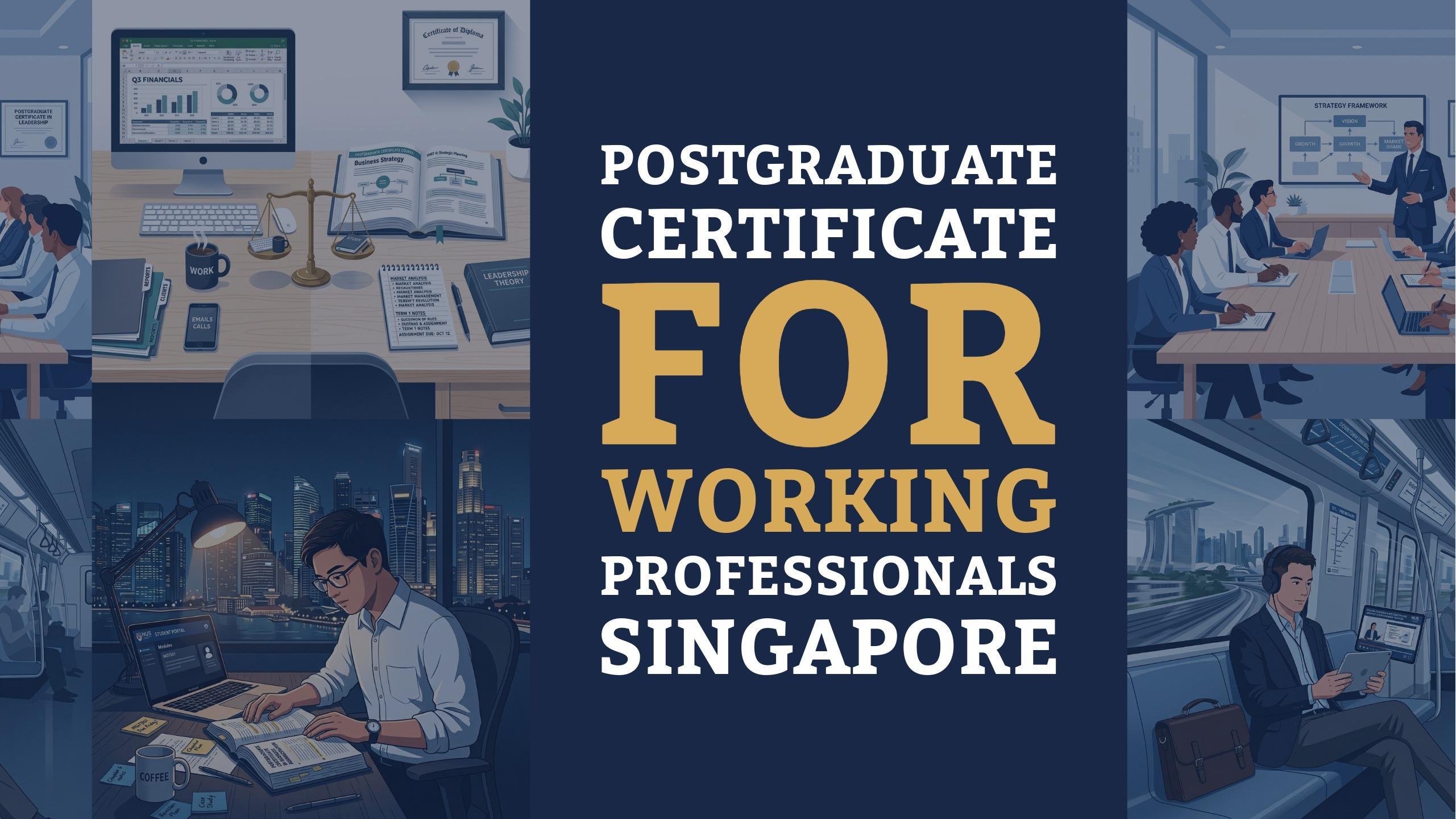
Table of Contents



TL;DR: Pg Certificate for Working Professionals in Singapore
- A postgraduate certificate for working professionals in Singapore is designed for people who want to upskill without pausing their careers.
- It’s ideal for professionals seeking professional development or broader workplace responsibilities, career switchers, and individuals aiming to stay competitive in fast-evolving industries.
- Institutions like United Ceres College offer flexible, practical programs tailored for real-world application.
Let’s start with a simple truth: working full-time and thinking about studying again? It’s not exactly an easy decision.
You’ve got deadlines, responsibilities, maybe even family expectations. And then somewhere in between, there’s this thought:
“Should I study further… or just keep going as I am?”
If that sounds familiar, you’re already the kind of person this article is for.
A postgraduate certificate isn’t about starting over. It’s about leveling up without stepping back. And in a place like Singapore, where competition is intense and industries evolve fast, that matters more than ever.
Pg Certificate for Working Professionals
What Is a Postgraduate Certificate (And Why Does It Matter)?
A postgraduate certificate is a short, focused qualification designed for people who already have the following:
- A degree (in most cases)
- Some level of work experience
But here’s the difference: it doesn’t try to overwhelm you with years of theory. Instead, it focuses on:
- Practical knowledge
- Industry-relevant skills
- Immediate application to your job
Think of it as a targeted upgrade, not a complete academic overhaul. Institutions like United Ceres College design these programs specifically for working professionals, meaning flexibility isn’t a bonus; it’s the foundation.
Why Singapore Is a Hub for Professional Education
There’s a reason so many professionals choose Singapore for further studies. It’s not just about reputation. It’s about relevance. Singapore is:
- A global business hub
- Home to multinational companies
- Known for innovation and efficiency
This creates a learning environment where education is closely tied to industry needs. So when you pursue a postgraduate certificate here, you’re not just studying; you’re aligning yourself with what the market actually demands.
Who Should Consider a Postgraduate Certificate?
Let’s get specific. Because this isn’t for everyone, and that’s a good thing.
1. Professionals Who Feel Stuck in Their Careers
You know that feeling when you’re doing your job well… but nothing is changing? No promotion. No new responsibilities. Just the same routine. Sometimes, the issue isn’t effort; it’s skill gaps. A postgraduate certificate helps you:
- Learn advanced concepts
- Build credibility
- Demonstrate ongoing professional development
And suddenly, you’re not just another employee; you’re someone investing in growth.
2. Individuals Aiming for Leadership Roles
Moving into management isn’t just about experience. It’s about understanding:
- Decision-making
- Strategy
- Team dynamics
A postgraduate certificate may support that transition. Instead of learning leadership through trial and error (which, let’s be honest, can be messy), you gain structured knowledge that makes the transition smoother.
3. Career Switchers Exploring New Fields
Switching careers is exciting… and terrifying. Especially if:
- Your current field feels limiting
- You want to enter business, management, or corporate roles
- You don’t want to start from scratch
A postgraduate certificate offers a middle path. It allows you to:
- Gain relevant knowledge
- Build confidence in a new field
- Transition without losing years of progress
4. Professionals in Fast-Changing Industries
Some industries evolve faster than others. Think:
- Marketing
- Technology
- Business operations
What worked five years ago might already be outdated. A postgraduate certificate helps you stay updated with:
- Current trends
- Modern tools
- Industry practices
And in a competitive environment like Singapore, staying updated isn’t optional; it’s necessary.
5. Individuals Who Want to Study Without Leaving Their Jobs
This is probably one of the biggest reasons people choose postgraduate certificates. You don’t have to:
- Quit your job
- Pause your income
- Disrupt your routine
Programs at United Ceres College are designed to fit around your schedule. Evenings, weekends, or flexible online formats, it’s built for real life, not ideal conditions.
6. Freelancers and Self-Employed Professionals
If you’re freelancing or running your own business, you might think formal education isn’t necessary. But here’s the thing, business skills matter even more when you’re on your own. A postgraduate certificate can help you:
- Understand market positioning
- Improve client management
- Scale your work strategically
It turns experience into structured expertise.
7. Graduates Seeking Additional Professional Development
Sometimes, a bachelor’s degree isn’t enough, especially in competitive markets.
A postgraduate certificate adds the following:
- Specialization
- Practical skills
- Professional credibility
It shows employers that you’re not just qualified; you’re proactive.
What Makes a Good Postgraduate Certificate Program?
Not all programs are worth your time. Here’s what actually matters:
1. Practical Curriculum
You want learning that you can apply immediately, not just theory that sounds impressive but doesn’t help in real situations.
2. Flexibility
If the program doesn’t fit your schedule, you won’t be able to sustain it.
3. Industry Relevance
The content should reflect current market demands, not outdated concepts.
4. Supportive Learning Environment
Whether it’s instructors or peers, the right environment makes a huge difference. Institutions like United Ceres College aim to combine all these elements, which is why they’re often considered by working professionals.
Is It Worth the Investment?
Let’s address the real question. Because time, energy, and money are all involved. A postgraduate certificate is worth it if:
- You have a clear goal
- You’re ready to apply what you learn
- You see it as an investment, not a shortcut
It’s not about collecting certificates. It’s about changing your trajectory
The Reality No One Talks About
Balancing work and study isn’t easy. There will be:
- Late nights
- Moments of doubt
- Days when you question your decision
But there’s also something else: growing. And not just professional growth. Personal growth. You become more disciplined, more confident, more aware of your capabilities. And that stays with you long after the certificate is completed.
Final Thoughts
A postgraduate certificate for working professionals in Singapore isn’t just about education, it’s about adaptation. The world is changing. Industries are evolving. Expectations are rising. And the people who grow are the ones who keep learning. If you’re someone who doesn’t want to stay in the same place forever, this might just be the step you’ve been thinking about. Not a huge leap. Just a smart move forward.
Frequently Asked Questions (FAQs)
1. Who should pursue a postgraduate certificate in Singapore?
Working professionals who want to upskill, switch careers, or move into leadership roles should consider a postgraduate certificate. It’s ideal for individuals who want flexible learning options while continuing their jobs and gaining practical, industry-relevant knowledge in a competitive environment like Singapore.
2. Do I need work experience to enroll in a postgraduate certificate?
Most programs prefer candidates with some work experience, but requirements vary by institution. The idea is to help professionals build on existing knowledge. However, some programs may accept fresh graduates who are looking to specialize or gain a competitive advantage in the job market.
3. How long does a postgraduate certificate take to complete?
Typically, postgraduate certificate programs take a few months to one year. Many institutions offer flexible schedules, including part-time, weekend, or online classes, allowing working professionals to balance their studies with job responsibilities without feeling overwhelmed or needing to take a career break.
4. Is a postgraduate certificate recognized by employers?
Yes, especially when it comes from a reputable institution. Employers value postgraduate certificates because they demonstrate initiative, continuous learning, and updated skills. While it may not replace a full degree, it may strengthen your professional profile when combined with relevant skills and experience.
5. Why choose United Ceres College for postgraduate certificates?
United Ceres College offers programs tailored for working professionals, focusing on flexibility, practical learning, and industry relevance. Their courses are designed to help students immediately apply what they learn in real-world scenarios, making the education both effective and aligned with current professional demands.