



Beginner AI Diploma in Singapore: What You’ll Learn and What to Expect
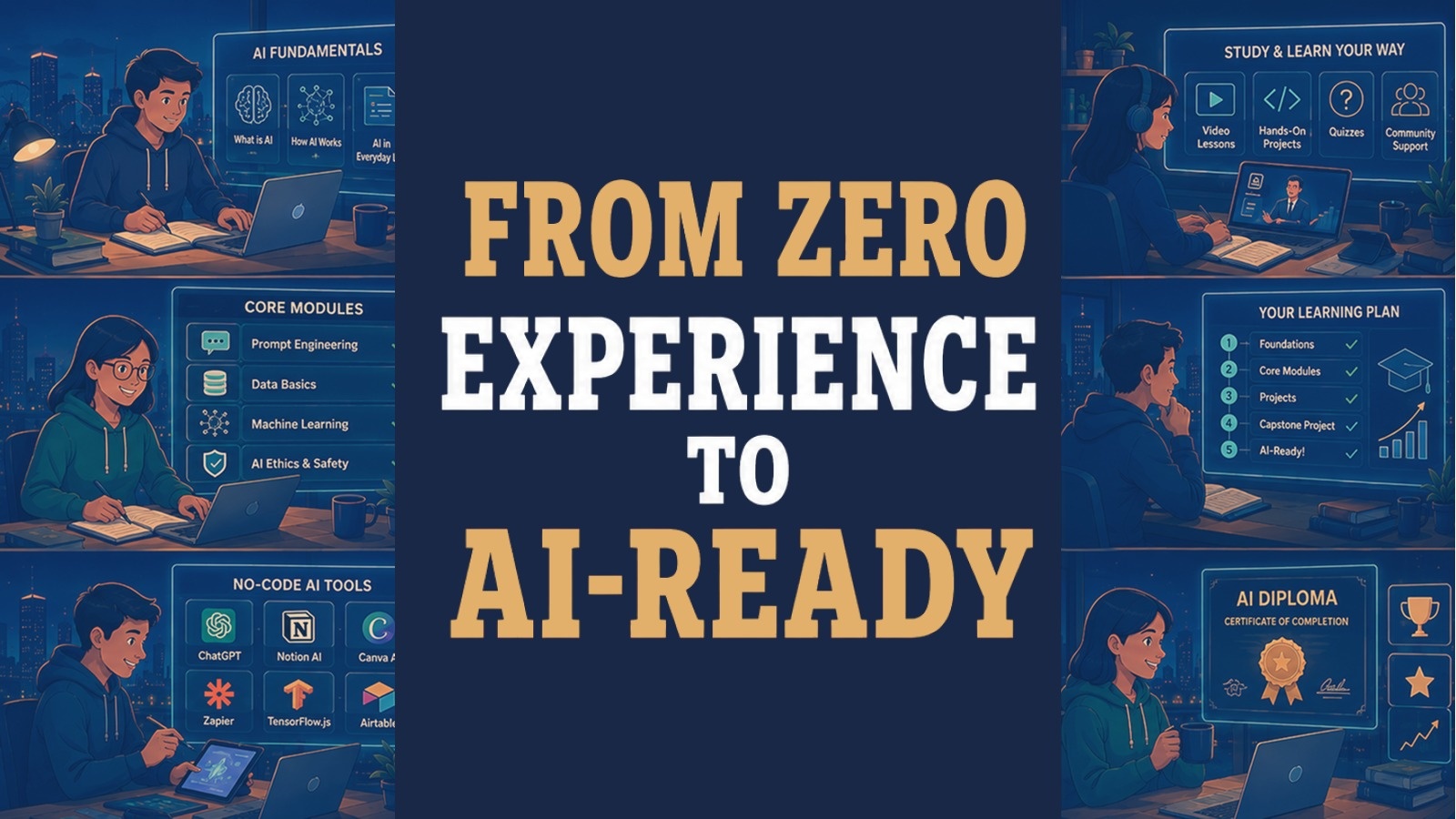
Table of Contents

TL;DR: Beginner AI Diploma in Singapore:
- A beginner-friendly AI Diploma is designed to introduce students to artificial intelligence through practical concepts, foundational technical skills, and real-world applications—no prior AI experience is typically required.
- A foundational AI diploma may introduce areas such as computational thinking, programming, mathematics and logic, data structures, databases, and machine learning. At United Ceres College, the Diploma in Applied Artificial Intelligence also includes user experience and interface design as part of its published curriculum.
- Hands-on projects and practical exercises allow students to apply what they learn, making it easier to understand how AI is used across industries such as healthcare, finance, retail, and education.
- United Ceres College offers programs that focus on practical learning, helping students explore AI concepts and develop skills that may support future study or career opportunities, depending on their goals and the program structure.
If you’ve been thinking about learning artificial intelligence but have no technical background, you’re not alone. Many beginners wonder whether they need programming experience, advanced mathematics, or a computer science degree before they can start. The good news is that many beginner-friendly **AI Diploma programmes are designed specifically for learners starting from scratch**. Rather than expecting students to arrive with prior knowledge, these programs introduce core AI concepts step by step, combining theory with practical activities to build confidence over time. In this guide, we’ll explore what a beginner’s AI diploma typically covers, the skills students can expect to develop, who these programs are suitable for, and how they prepare learners to continue their AI journey.
What Is an AI Diploma?
An AI diploma is a structured program that introduces students to the principles, tools, and practical applications of artificial intelligence. Instead of focusing only on theory, many diploma programs aim to balance foundational knowledge with hands-on learning. Students gradually learn how AI systems work, where they are used, and how different technologies solve real-world problems. Depending on the program structure, an AI diploma may include the following:
- Artificial intelligence fundamentals
- Programming basics
- Data handling and analysis
- Machine learning concepts
- AI tools and software
- Ethical and responsible AI practices
- Practical projects
The exact curriculum varies between institutions, but beginner programs generally focus on helping students understand AI before moving into more advanced topics.
Why Are More Learners Exploring AI Education?
Artificial intelligence is becoming part of everyday life. Whether you’re shopping online, using a navigation app, chatting with a virtual assistant, or receiving personalized movie recommendations, AI is already working behind the scenes.
As organizations continue exploring AI solutions, many people want to understand how these technologies work, not necessarily to become AI researchers, but to build practical digital skills that may support their careers. A beginner AI Diploma provides a structured starting point without assuming previous technical experience.
Hypothetical Example
Imagine Sarah, who works in marketing. She has never written a line of code, but she notices that many marketing tools now include AI-powered features for content creation, customer analysis, and campaign optimization.
Instead of feeling left behind, Sarah enrolls in a beginner AI diploma. Through her studies, she is introduced to foundational AI concepts and begins exploring how AI may relate to marketing workflows.
This example shows that AI learning is no longer limited to software engineers. Professionals from many different backgrounds are exploring AI to better understand emerging technologies.
Who Is a Beginner AI Diploma Suitable For?
One of the biggest misconceptions about AI education is that it’s only for programmers. In reality, many beginner programs are designed for learners from a wide range of educational and professional backgrounds. An AI Diploma may be suitable for:
- School leavers exploring technology careers.
- University students interested in AI.
- Working professionals looking to build new digital skills.
- Career changers entering the technology sector.
- Business professionals who want to understand AI applications.
- Entrepreneurs exploring AI-powered solutions.
- Lifelong learners interested in emerging technologies.
Because these programs typically start with foundational concepts, students often do not need previous experience in artificial intelligence.
What Does a Beginner’s AI Diploma Cover?
Although course content varies between institutions, most beginner AI diploma programs cover several core areas that help students build a strong understanding of artificial intelligence. Let’s explore these in more detail.
AI Fundamentals
Every learning journey begins with understanding the basics. Students are introduced to questions such as:
- What is artificial intelligence?
- How does AI differ from traditional software?
- Where is AI used today?
- What are machine learning and deep learning?
- How do AI systems learn from data?
Rather than overwhelming students with technical terminology, beginner programmes usually explain these ideas using practical examples. For instance, a streaming platform recommending films based on your viewing history demonstrates how AI can analyze data to personalize user experiences.
Programming Basics
Many beginners worry that programming will be too difficult. Fortunately, beginner AI diploma programs often introduce coding gradually. Instead of expecting students to become expert developers immediately, they may learn the following:
- Basic programming concepts.
- Variables and data types.
- Loops and conditions.
- Functions.
- Simple problem-solving techniques.
Programming serves as a tool that helps students understand how AI systems are created and tested.
Why Programming Matters
Imagine teaching someone how to cook. You don’t begin with preparing a five-course meal. Instead, you start with simple recipes before introducing more advanced techniques. Programming in a beginner AI program works the same way. Students first build confidence with the basics before progressing to more complex AI concepts.
Introduction to Machine Learning
Machine learning is one of the most recognized branches of artificial intelligence. Rather than programming every decision manually, machine learning allows computers to identify patterns in data and make predictions based on those patterns.
A beginner AI Diploma often introduces concepts such as:
- What machine learning is.
- Types of machine learning.
- Training data.
- Predictions.
- Model accuracy.
- Simple machine learning workflows.
The focus is usually on understanding how machine learning works rather than developing highly complex models.
Working with Data
Artificial intelligence depends heavily on data. Students typically learn why data matters and how it influences AI systems. Topics may include:
- Types of data.
- Collecting information.
- Organizing datasets.
- Cleaning data.
- Identifying patterns.
- Basic data visualization.
Understanding data helps students appreciate why high-quality information is essential for reliable AI outcomes.
Real-Life Example
Consider an online retailer. Every day, thousands of customers browse products, make purchases, and leave reviews. AI systems analyze this data to recommend products that customers are more likely to buy. Without organized and accurate data, these recommendations would be far less useful. This practical example helps beginners understand why data is often described as the foundation of artificial intelligence.
Mathematics: Do You Need to Be an Expert?
Many people delay learning AI because they believe advanced mathematics is essential. While mathematics supports many AI concepts, beginner diploma programs generally introduce mathematical ideas gradually and in context.
United Ceres College‘s Diploma includes a Logic and Mathematics module that develops mathematical foundations for computing. Published topics include logic, functions, sequences and recursion, graphs, probability, and mathematical processes used in algorithm development.
The emphasis is usually on understanding how these ideas support AI rather than solving highly advanced mathematical problems. This provides mathematical foundations relevant to computing and algorithm development.
Skills You’ll Develop During an AI Diploma
Learning AI is about more than understanding technical terms. A beginner-friendly AI Diploma is designed to help students build practical skills that they can continue developing throughout their education and professional journey. While learning outcomes vary by program, students often have opportunities to develop the following skills.
Problem-Solving
Artificial intelligence is built around solving real-world problems. Instead of memorising facts, students learn how to:
- Break large problems into smaller tasks.
- Analyze different possible solutions.
- Think logically and systematically.
- Test and improve ideas.
These problem-solving abilities are valuable not only in technology but also in business, healthcare, education, finance, and many other industries.
Programming Confidence
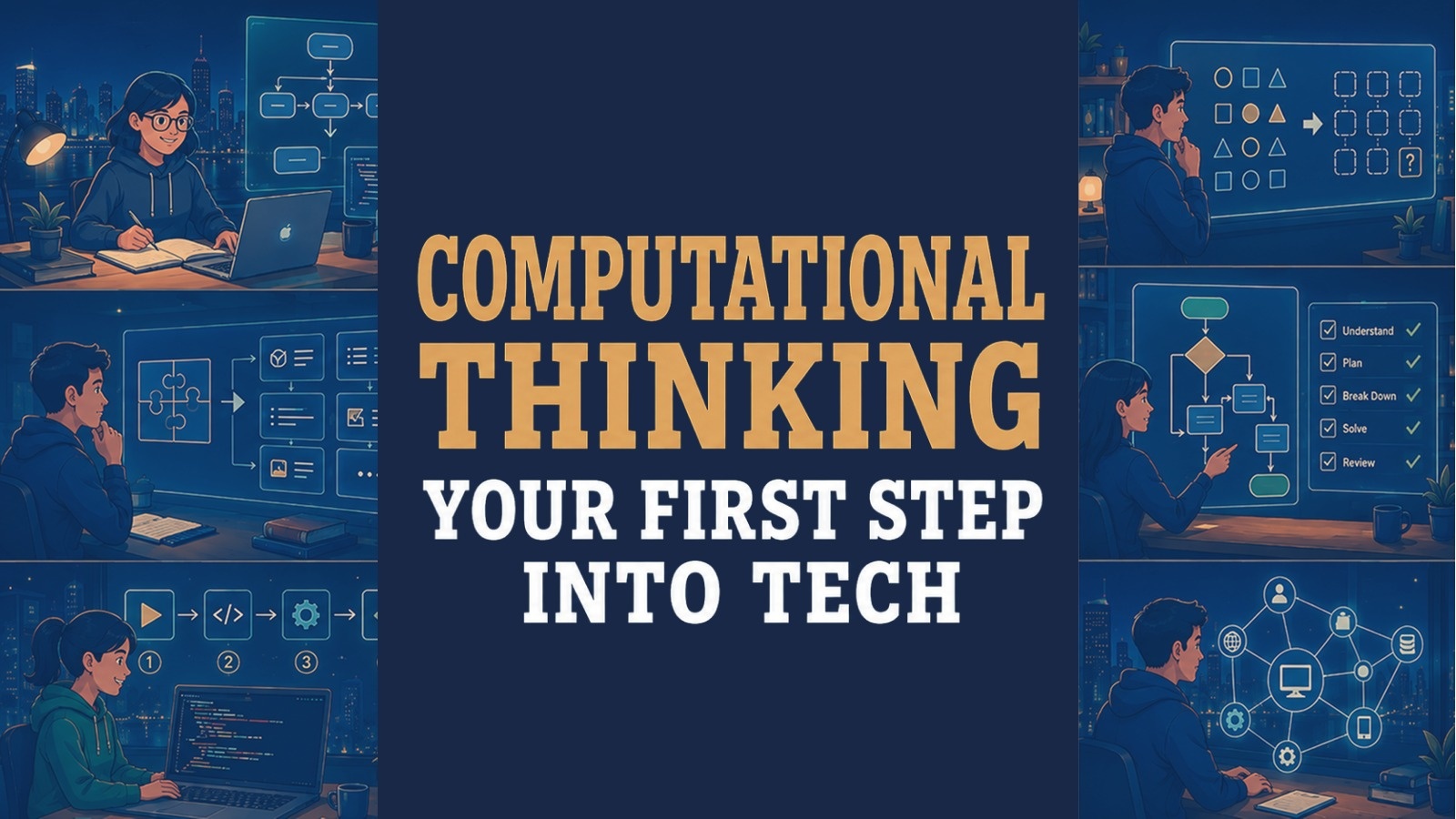
Many beginners start with little or no coding experience. Throughout an AI Diploma, computational thinking and programming activities, students develop foundational programming skills that help them design structured solutions and implement simple programs. The goal isn’t necessarily to become a professional software developer immediately but to develop enough confidence to understand how AI systems are built and how they function.
Data Literacy
People often describe data as the “fuel” of artificial intelligence. Students learn how to:
- Understand different types of data.
- Organise information effectively.
- Recognise patterns and trends.
- Interpret results.
- Appreciate the importance of data quality.
These skills are increasingly useful because many organisations now rely on data-driven decision-making organizations
Critical Thinking
AI doesn’t always produce perfect answers. That’s why students are encouraged to evaluate AI-generated outputs rather than accepting them without question. For example, they may learn to ask:
- Is this result accurate?
- Does the data contain bias?
- Are there missing factors?
- Could another solution work better?
Developing critical thinking helps students become responsible users of AI technologies.
Communication Skills
AI professionals often explain technical ideas to people without technical backgrounds. Many diploma programmes include presentations, reports, or group discussions that help students communicate complex concepts in simple language. This ability is valuable in workplaces where collaboration across different departments is common.
Hands-On Learning: Why Practical Experience Matters
Reading about artificial intelligence is helpful, but applying what you’ve learned often makes the concepts easier to understand. Many beginner AI Diploma programmes include practical activities that allow students to explore AI tools and techniques in realistic situations.
These may include:
- Mini coding exercises.
- AI demonstrations.
- Data structures
- Group projects.
- Case studies.
- Problem-solving assignments.
Practical learning helps students connect classroom concepts with real-world applications.
Real-Life Example
Imagine a student named Daniel who is learning about image recognition. Instead of only reading how AI identifies objects, Daniel works with a simple AI tool that classifies images of animals.
He notices that the AI performs well when trained with clear images but struggles when the pictures are blurry or poorly labeled. This practical exercise helps him understand why high-quality data plays such an important role in building reliable AI systems.
Where Is AI Used?
One reason beginners choose an AI Diploma is that artificial intelligence is now used across many industries, not just technology companies. Understanding these applications helps students appreciate why AI knowledge is becoming increasingly valuable.
Healthcare
AI may require further review by healthcare professionals by analyzing medical images, supporting diagnosis, or helping manage patient information. For example, AI tools can help identify patterns in medical scans that may require further review by healthcare professionals.
Finance
Banks and financial institutions use AI for tasks such as:
- Detecting unusual transactions.
- Supporting fraud prevention.
- Analyzing financial trends.
- Improving customer service.
AI helps process large volumes of information more efficiently, although important financial decisions still require human oversight.
Retail
Retail businesses often use AI to:
- Recommend products.
- Forecast inventory needs.
- Personalize shopping experiences.
- Analyze customer behavior.
A customer browsing an online clothing store may receive product suggestions based on previous purchases or browsing history.
Education
Educational platforms increasingly use AI to personalize learning experiences. For example, an online learning platform may recommend additional practice questions if a student struggles with a particular topic.
Manufacturing
Manufacturers may use AI to monitor equipment, identify potential maintenance issues, and improve production efficiency. This can help reduce downtime and support better operational planning.
Beginner AI Diploma vs Learning AI Independently
Many beginners wonder whether they should enroll in a diploma program or simply learn through free online resources. Both approaches have advantages, but they offer different learning experiences.
| Beginner AI Diploma | Self-Learning |
| Structured curriculum | Flexible learning schedule |
| Guided progression from beginner to intermediate topics | Students choose what to study independently |
| Instructor support may be available | Learning relies heavily on self-discipline |
| Practical projects are often included | Project experience depends on the learner |
| Assessments help measure progress | Progress is usually self-evaluated |
The best option depends on each learner’s goals, preferred learning style, and available time.
Common Misconceptions About Beginner AI Diplomas
Many people hesitate to study AI because they’ve heard myths that make the subject seem intimidating. Let’s examine some of the most common misconceptions.
| Misconception | Reality |
| You must be an expert programmer before learning AI. | Many beginner programmes introduce programming from the basics and are designed for learners with little or no experience. |
| AI is only for computer science students. | People from business, healthcare, education, marketing, finance, and many other fields are learning AI. |
| AI will replace every job. | AI is changing how work is performed, but many careers continue to require human judgement, creativity, communication, and decision-making. |
| Learning AI requires advanced mathematics from the start. | Beginner programmes generally introduce mathematical concepts gradually and focus on building understanding over time. |
| AI learning is only about coding. | Students also explore ethics, data, problem-solving, communication, and practical applications across industries. |
Understanding these misconceptions can help beginners approach AI learning with greater confidence and realistic expectations.
Tips for Getting the Most from an AI Diploma
If you’re starting with no previous experience, a few simple habits can make your learning journey more enjoyable and productive.
Stay Curious
Don’t worry about understanding everything immediately. AI is a broad field, and learning happens step by step.
Practise Regularly
Short, consistent study sessions are often more effective than occasional long study sessions.
Experiment with AI Tools
Trying beginner-friendly AI tools can reinforce classroom learning and help you see concepts in action.
Ask Questions
Whether you’re learning in a classroom or online, asking questions helps clarify concepts before moving on to more advanced topics.
Focus on Building a Strong Foundation
Understanding core concepts is often more valuable than rushing into advanced topics before you’re ready.
What Can You Do After Completing an AI Diploma?
Completing a beginner AI Diploma is often the start of a longer learning journey rather than the final destination. The knowledge and practical skills gained during the program can help students explore further education or develop new workplace capabilities.
Depending on the program structure, individual interests, and previous experience, graduates may choose to:
- Continue with advanced AI or machine learning studies.
- Explore data analytics or data science programs.
- Learn software development or cloud computing.
- Build AI-powered personal or business projects.
- Apply AI knowledge within their current profession.
- Pursue entry-level technology-related roles that value foundational AI knowledge.
Individual outcomes vary, and career opportunities depend on factors such as qualifications, experience, technical skills, and employer requirements.
Is a Beginner AI Diploma Right for You?
If you’re still unsure whether to start learning AI, asking yourself a few questions can help. A beginner AI Diploma may be suitable if you:
- Have little or no experience with artificial intelligence.
- Enjoy solving problems and learning new technologies.
- Want to understand how AI is transforming different industries.
- Prefer structured learning instead of studying entirely on your own.
- Are looking to build practical digital skills for future study or career development.
On the other hand, if you already have extensive experience in programming, machine learning, or computer science, you may wish to explore more advanced AI programmes. The key is choosing a learning pathway that matches your current knowledge and long-term goals.
Preparing for Your AI Learning Journey
Starting something new can feel overwhelming, especially in a field that evolves as quickly as artificial intelligence. Fortunately, beginners do not need to master every concept at once. A few practical habits can make the learning process smoother:
Build Consistent Study Habits
Regular practice is often more effective than trying to learn everything in a short period.
Apply What You Learn
After each lesson, try recreating examples, experimenting with AI tools, or working on small projects. Applying knowledge helps reinforce understanding.
Follow AI Developments
Artificial intelligence continues to evolve. Reading industry news, watching educational videos, and exploring new AI tools can help you stay informed.
Develop a Growth Mindset
It’s normal to encounter challenges when learning something new. Viewing mistakes as learning opportunities can help you build confidence and continue progressing.
Learning AI with United Ceres College
For students looking to begin their AI journey in Singapore, choosing a program that balances theory with practical experience can make a meaningful difference.
United Ceres College offers an 8-month Diploma in Applied Artificial Intelligence in full-time and part-time study modes, delivered through blended learning. The program builds foundations in computational thinking, programming, logic, and mathematics before progressing into data structures and algorithms, relational databases, machine learning, and user experience and interface design. Practical learning is incorporated through mini-projects and applied assessments, helping learners connect technical concepts with real-world problem-solving. Prospective students should review the published admission criteria, curriculum, fees, and intake information before applying.
When comparing study options, it’s helpful to review the curriculum, learning outcomes, teaching approach, and entry requirements to find a program that aligns with your interests and future goals.
Final Thoughts
Artificial intelligence is becoming part of many industries, but everyone starts somewhere. A beginner AI Diploma provides a structured introduction to AI, making it possible for learners with little or no prior experience to develop foundational knowledge step by step. From programming basics and machine learning concepts to data literacy, problem-solving, and ethical AI, these programs are designed to help students understand both the technology and its practical applications.
Whether you’re a recent school graduate, a working professional looking to upskill, or someone simply curious about artificial intelligence, building a strong foundation today may help prepare you for future learning opportunities in this rapidly evolving field. If you’re considering studying AI, take time to compare program structures, learning outcomes, practical learning opportunities, and entry requirements. Choosing a program that matches your goals and learning style can help you begin your AI journey with confidence.
Frequently Asked Questions (FAQs)
1. Do I need programming experience before enrolling in an AI Diploma?
Not necessarily. Many beginner AI diploma programs are designed for students with little or no programming experience and introduce coding concepts gradually. Applicants should still check the academic and English-language admission requirements of the specific programme.
2. Is an AI Diploma suitable for non-technical students?
Yes. Depending on the programme structure, students from business, healthcare, education, marketing, finance, and many other backgrounds may find a beginner AI diploma suitable for developing foundational AI knowledge.
3. What subjects are usually covered in an AI Diploma?
Most beginner programmes cover AI fundamentals, programming basics, machine learning concepts, data handling, responsible AI, and practical projects. The exact curriculum varies by institution.
4. Will an AI Diploma help me get a job?
An AI diploma may help students develop practical knowledge and technical skills that are valued in many industries. However, employment opportunities depend on factors such as qualifications, experience, portfolio projects, and employer requirements.
5. How long does it take to complete a beginner AI Diploma?
Program duration varies depending on the institution and study mode. Some programs can be completed within several months, while others may take longer.
6. What should I look for when choosing an AI diploma program?
Consider factors such as the curriculum, practical learning opportunities, instructor support, assessment methods, entry requirements, and whether the program aligns with your career or educational goals.