



Business Courses for Working Professionals Singapore
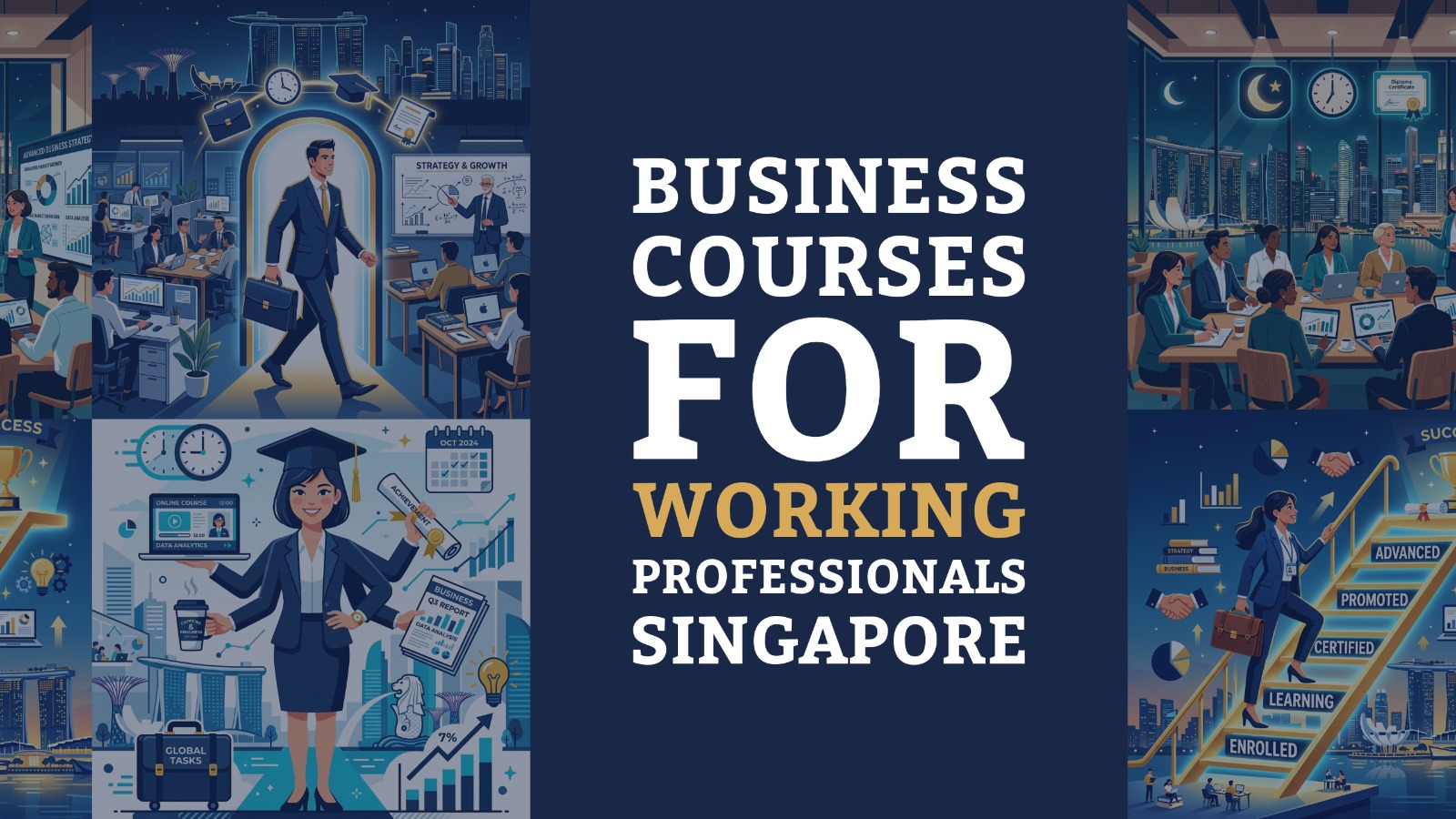
Table of Contents

TL;DR: Business Courses for Working Professionals Singapore
- Business courses for working professionals in Singapore are designed to help adults upgrade their skills without leaving their jobs.
- These programs usually offer flexible schedules, evening classes, weekend learning, or hybrid study formats.
- Courses commonly focus on leadership, management, communication, finance, marketing, operations, and business strategy.
- Professionals may choose these courses for reasons such as professional development, leadership learning, workplace skills development, or continuing education, depending on their individual goals and circumstances.
- United Ceres College offers business-related programs and flexible study pathways designed for adult learners and working professionals.
Business Courses for Working Professionals Singapore
Adult life has a strange way of making education feel complicated. When people are younger, studying is usually their primary responsibility. But once work enters the picture, things shift dramatically. Suddenly, there are deadlines, meetings, bills, family responsibilities, exhaustion, and the constant feeling that there just aren’t enough hours in the day. And yet, many professionals still want to continue learning. Business courses for working professionals are one option that some adults consider when pursuing continuing education and professional development. People are realizing that career growth rarely happens by standing still. Industries evolve too quickly now. Skills become outdated. Workplace expectations expand constantly.
Professionals today are not only competing locally anymore. In many industries, they’re competing globally. Many professionals view continuous learning as an important part of maintaining and developing their professional skills. Thankfully, modern business education is becoming far more flexible than it used to be.
Why Working Professionals Pursue Business Courses
People return to study for very different reasons. Some want promotions. Some want career changes. Others simply feel stuck professionally and want to rebuild momentum. And honestly, that feeling is more common than most people admit.
Career Advancement
Some employees may reach a stage where they wish to complement their technical experience with additional knowledge or qualifications.
Leadership roles often involve skills such as:
- Communication skills
- Team management abilities
- Strategic thinking
- Organizational understanding
- Decision-making confidence
Business courses may provide opportunities to develop knowledge and skills related to communication, leadership, management, and organisational practices, depending on programme content and individual participation.
Skill Upgrading
Modern workplaces change constantly. Digital systems evolve. Customer expectations shift. Management styles change. Even communication methods continue to adapt. Some professionals pursue further education to update their knowledge and skills in response to changing workplace requirements.
Career Transition
Not everyone stays in one career forever. Some professionals move from technical roles into management. Others shift into operations, administration, sales, marketing, or entrepreneurship. Some professionals pursue further education to update their knowledge and skills in response to changing workplace requirements.
Confidence Building
This reason gets overlooked constantly. Many professionals already have experience, but they want a deeper understanding and confidence. They want to understand how organizations function strategically instead of simply completing daily tasks. Some learners report that gaining a broader understanding of organisational functions influences how they approach workplace responsibilities.
Why Singapore Is Ideal for Working Professionals
Singapore is widely recognised as a regional centre for business and education. The country combines the following:
- International business exposure
- Modern infrastructure
- Multicultural workplaces
- Industry-focused education
- Strong corporate networks
Some learners consider this environment supportive of professional and educational development.
Business students in Singapore are surrounded by multinational companies, startups, financial institutions, logistics firms, hospitality groups, and technology organizations. Students studying in Singapore may have opportunities to learn within an environment that includes multinational companies and organisations operating across different industries. Singapore also understands the realities of adult education. Many institutions now offer:
- Evening classes
- Weekend schedules
- Hybrid learning
- Online support
- Flexible part-time pathways
Because realistically, most working adults cannot pause their careers completely just to return to school.
Types of Business Courses for Working Professionals
Business Management Courses
Business management remains one of the most popular options. These courses usually focus on:
- Leadership
- Team management
- Organizational behavior
- Operations
- Workplace communication
- Strategic planning
Management education may introduce concepts related to organizational structures, business functions, and decision-making processes. Some learners report that formal management education provides additional insight into organisational systems and business operations.
Marketing Courses
Modern marketing looks very different compared to a decade ago. Today’s marketing professionals often work with the following:
- Social media strategy
- Digital campaigns
- Branding
- Consumer behavior
- Market analytics
- Content planning
Understanding customer-focused business concepts may be relevant across a range of business functions.
Human Resource Management Courses
HR is far more than hiring people. Human resource management involves:
- Employee engagement
- Recruitment systems
- Workplace policies
- Organizational culture
- Conflict management
- Staff development
Some professionals pursuing supervisory or leadership responsibilities may choose HR-related training as part of their professional development.
Finance and Business Accounting Courses
Not everyone becomes a financial analyst, but financial literacy matters almost everywhere.
Business finance courses often cover the following:
- Budgeting
- Financial planning
- Business reporting
- Cost management
- Basic accounting principles
Understanding financial concepts may support informed decision-making in business and workplace contexts.
Entrepreneurship Courses
More professionals are exploring side businesses and entrepreneurship than ever before. Entrepreneurship courses may cover:
- Business planning
- Startup strategy
- Branding
- Customer acquisition
- Financial management
- Operations setup
And honestly, running a business requires much more structure than motivational social media content sometimes suggests.
Flexible Learning for Busy Professionals
One of the biggest reasons professionals avoid studying is fear of burnout. That fear is understandable. Balancing work and education can absolutely become exhausting at times. But flexible learning models make the process far more manageable than older education systems.
Evening Classes
Many institutions schedule classes after standard working hours so students can continue full-time employment.
Weekend Learning
Weekend classes allow professionals to study without interfering heavily with weekday responsibilities.
Hybrid Learning
Some programs combine online learning with in-person sessions, giving students more flexibility and control over study schedules.
Part-Time Study
Part-time study may allow some learners to spread their studies over a longer period while balancing work or personal commitments.
And honestly, sustainable learning matters more than rushing through education while completely overwhelmed.
Skills Working Professionals Gain
Business courses may include learning activities related to workplace skills and professional competencies, depending on programme content and individual participation.
Leadership Skills
Students often learn the following:
- Team coordination
- Conflict resolution
- Employee motivation
- Decision-making strategies
Leadership becomes increasingly important as careers progress.
Communication Skills
Communication affects nearly every workplace responsibility. Programmes may include learning activities related to:
- Presentation skills
- Professional writing
- Negotiation abilities
- Client interaction
- Team collaboration
And honestly, communication problems create more workplace stress than many companies realize.
Strategic Thinking
Business education encourages professionals to think beyond daily tasks and understand broader organizational goals. Some learners find that studying business concepts helps them better understand organisational goals and decision-making processes.
Who Should Take Business Courses?
Mid-Career Professionals
Employees seeking promotions or leadership responsibilities often pursue business education to strengthen management and communication abilities.
Entrepreneurs
Business owners may choose business courses to develop their understanding of operations, finance, leadership, organisational practices and organisational systems more deeply.
Career Changers
Some professionals entering new industries choose business courses to build foundational business knowledge.
International Professionals
Singapore attracts many international learners seeking globally relevant business education and professional networking opportunities.
Why Students Consider United Ceres College
United Ceres College offers business-related programs and flexible study pathways for learners seeking continuing education opportunities. Some learners seek educational experiences that combine academic concepts with workplace-related knowledge. They want education connected to real workplace expectations and modern industry demands.
Some learners may consider factors such as the following when evaluating education providers:
- Build workplace-ready skills
- Improve communication confidence
- Strengthen leadership abilities
- Understand business operations
- Explore long-term career development
Supportive learning environments matter, especially for adult learners balancing education alongside professional responsibilities. And honestly, studying becomes far easier when institutions actually understand the realities of working adult life.
Potential Career Pathways Related to Business Studies
Business-related knowledge and skills may be relevant across a range of industries. Depending on an individual’s qualifications, experience, skills, and employment circumstances, they may consider roles such as the following:
- Operations executive
- Team supervisor
- Administrative manager
- Marketing coordinator
- Business development executive
- HR coordinator
- Customer relations manager
- Project assistant
- Office manager
Career progression depends on multiple factors, including work experience, qualifications, individual performance, employer requirements, and labour market conditions.
Are Business Courses Worth It for Working Professionals?
The value of a business course depends on an individual’s goals, learning needs, career objectives, and personal circumstances. Some professionals consider business courses when seeking:
- Career progression
- Better leadership understanding
- Flexible learning schedules
- Improved workplace confidence
- Stronger communication skills
- Long-term professional growth
Of course, qualifications alone do not guarantee success. Some learners report that continuing education helps them develop additional knowledge, skills, and confidence, depending on their learning experiences and individual circumstances. Many professionals choose continuing education as part of their personal or professional development plans.
Final Thoughts
Business courses for working professionals in Singapore are one option available to adults seeking continuing education and professional development opportunities. Professionals today want education that fits around real life instead of forcing them to pause their careers completely. Flexible business programs allow learners to strengthen management, communication, leadership, and organizational skills while continuing to work. Institutions such as United Ceres College offer business-related programs and flexible study pathways for adult learners and working professionals. Many adult learners choose continuing education as part of their ongoing personal, academic, or professional development journey.
Frequently Asked Questions (FAQs)
1. What are the best business courses for working professionals in Singapore?
Popular options include business management, marketing, human resource management, finance, entrepreneurship, and operations management courses. Professionals often choose programs based on career goals, leadership aspirations, or industry requirements.
2. Can I study business courses part-time while working?
Yes. Many institutions in Singapore offer flexible schedules, including evening classes, weekend learning, hybrid models, and part-time study pathways designed specifically for working professionals.
3. Are business courses useful for career growth?
Business courses may cover topics related to leadership, communication, organizational practices, and strategic thinking, depending on program content. These abilities may be relevant to workplace responsibilities, professional development, and career planning, depending on individual circumstances across multiple industries.
4. Which industries value business qualifications in Singapore?
Business-related skills may be relevant in industries such as banking, logistics, hospitality, retail, healthcare administration, technology, telecommunications, corporate services, and entrepreneurship, depending on the role and employer requirements.
5. Why choose United Ceres College for business courses?
United Ceres College offers business-related programs and flexible study pathways designed for adult learners and working professionals. Program content, learning outcomes, and study modes vary by course.
Disclaimer: Information in this article is provided for general educational purposes only. Program availability, admission requirements, study modes, fees, learning outcomes, and career pathways vary by institution and individual circumstances. Career progression and employment outcomes depend on multiple factors, including qualifications, work experience, individual performance, employer requirements and labor market conditions. Readers should refer to official institution websites and relevant regulatory authorities for the latest information.