



Short Management Courses in Singapore: A Smart, Flexible Way to Grow
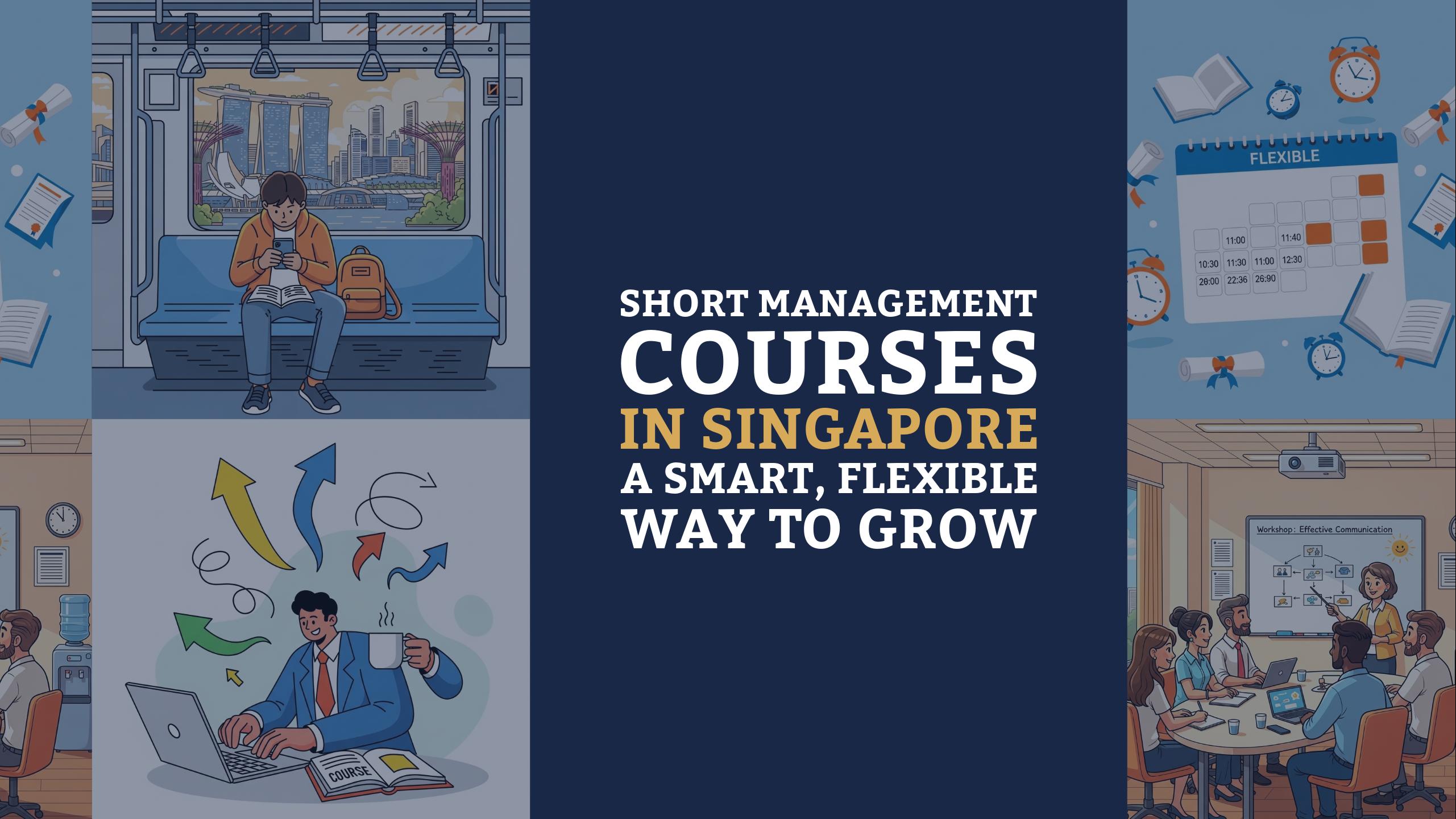
Table of Contents


TL;DR: Short Management Courses in Singapore
Short management courses in Singapore are practical, career-focused programs designed for professionals who want to build business skills quickly without committing to long academic degrees.
Singapore’s globally respected education system ensures these courses maintain strong quality standards and industry relevance.
These programs sit below diplomas and postgraduate qualifications but still offer valuable, applied knowledge in leadership, strategy, and operations.
They are ideal for working professionals, career switchers, and students looking to upgrade specific skills in a short time frame.
Institutions such as United Ceres College structure these courses to align with real-world business needs and career progression pathways.
Let’s be honest for a moment. Not everyone has the time, money, or even the patience to commit to a full degree program. Sometimes, you just need something quicker, something that fits into your life without flipping it upside down. That’s where short management courses in Singapore come in.
If you’ve been scrolling through endless course options, wondering, “Is this even worth it?” you’re not alone. It’s a valid question. And the answer? It depends on what you’re looking for. But in many cases, these short courses are exactly what people need at the right time. Not too long. Not too heavy. Just enough to move forward.
What Are Short Management Courses?
Short management courses are compact, focused programs designed to teach specific business and leadership skills in a limited time frame, usually a few days to a few months. They sit within the academic structure like this:
Certificate, Short Course Diploma, Advanced Diploma, Postgraduate Qualification: So yes, they are not as in-depth as a diploma or degree. But that doesn’t make them insignificant. In fact, they’re designed with a completely different purpose. These courses typically:
- Focus on practical, real-world skills
- Deliver condensed business knowledge
- Emphasize immediate application
- Require minimal long-term commitment
And honestly, that’s what makes them appealing. You’re not studying for years. You’re learning something you can actually use right now.
Why Singapore Is Ideal for Short Management Courses
Singapore has quietly become one of the most reliable education hubs in Asia. Not flashy. Not overhyped. Just… consistent. And that matters. When you enroll in a short management course in Singapore, you’re not just paying for content; you’re stepping into a system that values structure, regulation, and relevance. Here’s what makes Singapore stand out:
1. Strong Educational Standards
Courses are regulated and aligned with recognized frameworks. This means you’re not wasting time on something that lacks credibility.
2. Industry-Relevant Learning
Singapore’s close connection with global businesses ensures that what you learn actually reflects current market needs.
3. Multicultural Environment
You’re often learning alongside people from different backgrounds, which adds a layer of perspective you don’t get everywhere.
4. Global Recognition
Even short courses from Singapore institutions carry weight, especially across the Asia-Pacific regions.
And maybe this is just a personal observation, but studying in a place that takes education seriously? It changes how seriously you take it, too.
What You’ll Learn in Short Management Courses
Short doesn’t mean shallow. That’s a common misconception. These courses are designed to go straight to the point, no unnecessary theory, no academic fluff. Depending on the program, you might study the following:
- Leadership and Team Management
- Business Communication
- Project Management Basics
- Strategic Thinking
- Marketing Fundamentals
- Financial Awareness for Managers
- Operations and Workflow Optimization
The focus is clear: skills you can apply immediately. You’re not memorizing for exams. You’re learning how to handle real situations, meetings, decisions, deadlines, and people. And honestly, isn’t that what most of us actually need?
Who Should Consider Short Management Courses?
This is where things get interesting. These courses aren’t limited to one type of person. They’re surprisingly flexible.
You might benefit if you are:
1. A working professional
Trying to move into a leadership role but lacking formal training.
2. A fresh graduate
Who feels like their degree didn’t quite prepare them for the real world.
3. Someone switching careers
Entering business or management from a completely different field.
4. A freelancer or entrepreneur
Who suddenly realizes… managing people and projects is harder than it looks.
5. A student exploring options
Before committing to a longer academic pathway.
There’s no “perfect candidate” here. It’s more about timing than anything else.
Short Courses vs. Diplomas: What’s the Difference?
Let’s clear this up because it confuses a lot of people. A diploma is more structured, longer, and academically detailed. It builds a broader foundation. A short course, on the other hand, is
- Faster
- More focused
- Less academically intense
- More skill-oriented
Think of it this way: A diploma teaches you how the system works. A short course teaches you how to function within it. Both have value. Just… at different stages.
Are Short Management Courses Worth It?
This question comes up a lot. And the answer isn’t a simple yes or no. They’re worth it if you use them properly. A short course won’t magically transform your career overnight. It’s not a shortcut to success. But it can
- Boost your confidence
- Fill specific skill gaps
- Improve your professional credibility
- Help you perform better in your current role
And sometimes, that’s enough to open new doors. It’s not about the certificate. It’s about what you do with it afterward.
Career Benefits of Short Management Courses
Even though these courses are short, their impact can be surprisingly meaningful. You might see outcomes like:
- Improved workplace performance
- Increased chances of promotion
- Better communication and leadership skills
- Stronger understanding of business operations
- Confidence in decision-making
Some roles where these skills become useful include:
- Team Leader
- Project Assistant
- Operations Coordinator
- Marketing Executive
- Business Support Roles
It’s not about jumping to the top immediately. It’s about moving forward step by step.
Can Short Courses Lead to Further Studies?
Yes, and this is something many people overlook. Short management courses can act as a starting point. They help you:
- Understand whether business or management is right for you
- Build confidence before committing to longer programs
- Prepare for diplomas or postgraduate qualifications
Institutions like United Ceres College often structure these courses as part of a broader learning pathway. So you’re not just taking a random course, you’re potentially starting a journey.
Why Employers Value Short Management Training
Employers today are… practical. They care about what you can do, not just what you’ve studied. Short management courses signal:
- Willingness to learn
- Initiative to improve
- Practical skill development
- Awareness of business fundamentals
When combined with experience, they can make a noticeable difference. Because at the end of the day, businesses need people who can actually handle situations, not just understand theory.
Common Misconceptions About Short Courses
Let’s clear a few things up.
They’re not valuable.
They are, if applied correctly.
They’re too basic.
Not necessarily. Many are designed for professionals.
They don’t help careers.
They can, especially when paired with experience.
They’re just for beginners.
Not true. Even experienced professionals take them to upskill.
The issue isn’t the course. It’s expectations.
How to Choose the Right Short Management Course
Choosing randomly? Probably not the best idea. Instead, ask yourself:
- What skill do I actually need right now?
- Am I trying to grow, switch, or explore?
- Do I prefer online or in-person learning?
- How much time can I realistically commit?
Also, look at:
- Course structure
- Institution credibility
- Industry relevance
And maybe this is just me but if something feels overly complicated or unclear, it probably isn’t the right fit. Good courses feel… aligned.
The Role of Structured Guidance
Sometimes, the hardest part isn’t studying; it’s choosing where to start.
That’s where institutions like United Ceres College come in. They don’t just offer courses. They provide:
- Academic guidance
- Career-stage alignment
- Structured learning pathways
- Clear progression options
Because taking the wrong course can waste time. Taking the right one? That can change direction.
Final Thoughts
Short management courses in Singapore are not about prestige. They’re about practicality. They offer: Focused skill development, flexible learning options, industry-relevant knowledge, and a manageable commitment. Not every step in your career needs to be big. Sometimes, the small, strategic moves matter more. And maybe that’s what these courses really are: small moves with real impact.Learn More at Academic Courses of United Ceres College.
Frequently Asked Questions (FAQs)
1. Are short management courses in Singapore recognized internationally?
Yes, many short management courses offered by reputable institutions in Singapore are recognized internationally, especially in the Asia-Pacific region. Their credibility depends on the institution’s standards and regulatory compliance. While they may not carry the same weight as full degrees, they still demonstrate skill development, professional initiative, and practical knowledge, which employers value globally when combined with relevant work experience.
2. Can international students enroll in short management courses in Singapore?
Yes, international students can enroll in many short courses in Singapore. However, requirements vary depending on course duration and format. Some programs may not require a student visa if completed online or within a short timeframe. Institutions typically guide students through eligibility, documentation, and enrollment processes to ensure everything is clear and manageable before starting.
3. Do short courses really help in career growth?
Short courses can support career growth, but their effectiveness depends on how you apply what you learn. They help build specific skills, improve confidence, and enhance workplace performance. While they may not guarantee promotions, they often strengthen your profile and make you more capable in your role, which can naturally lead to better opportunities over time.
4. How long do short management courses usually take?
Short management courses can range from a few days to several months, depending on the subject and depth of study. Some are intensive workshops, while others are part-time programs designed for working professionals. This flexibility allows learners to balance education with other responsibilities, making them a convenient option for skill development without long-term academic commitment.
5. How does United Ceres College support students in short courses?
United Ceres College supports students by offering structured, industry-aligned courses along with academic guidance and career-focused advice. Their approach ensures that students choose programs suited to their goals and current stage. Rather than promoting random enrollment, they emphasize clarity, progression, and practical learning outcomes that contribute meaningfully to professional development.