



The Rise of AI Scribes in Healthcare: Transforming Documentation for Better Patient Care
AI scribes automate documentation, saving time and enhancing patient care while addressing workforce shortages in healthcare.
In short
- AI Scribes Revolutionise Documentation: Automate patient information recording, reducing administrative burdens.
- Time-Saving Efficiency: Healthcare professionals can reclaim time for patient care.
- Addressing Workforce Shortages: AI scribes help mitigate the impact of staff shortages, especially post-COVID.
- Preventing Practitioner Burnout: Automation reduces repetitive tasks, enhancing job satisfaction and care quality.
- Ethical Considerations: Balancing AI automation with the human touch is important for effective patient care.
Imagine a world where healthcare professionals can devote their full attention to patient care, while an intelligent assistant manages the tedious task of documentation. This vision is rapidly becoming a reality with the emergence of AI-powered scribes in the healthcare sector. These innovative tools are designed to automate the recording of patient information, significantly alleviating the administrative burdens that often plague healthcare providers. As the demand for efficient healthcare solutions continues to grow, AI scribes are stepping into the spotlight, promising to revolutionise how patient documentation is handled.
The Emergence of AI Scribes
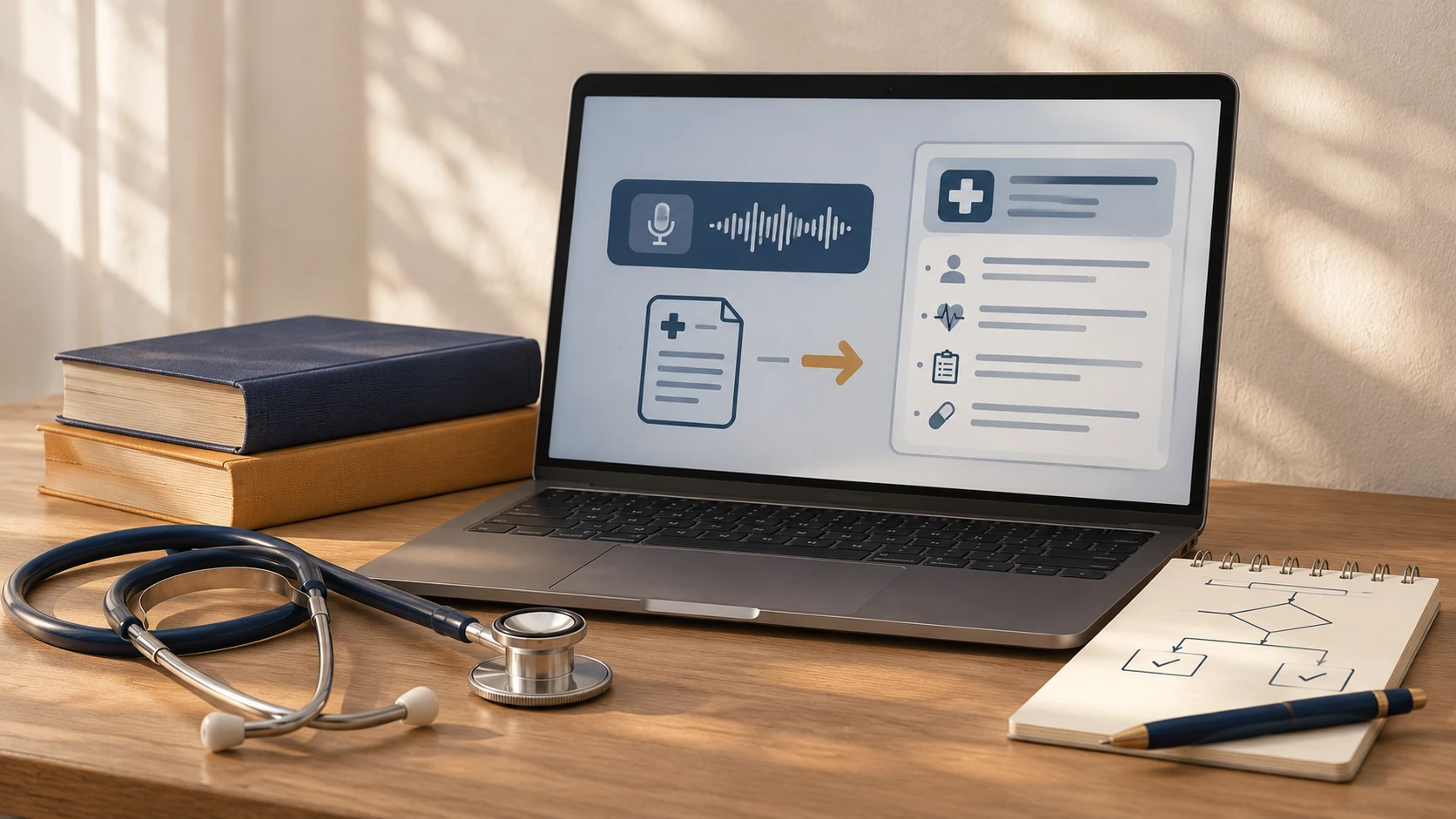
AI scribes are sophisticated software applications that utilise artificial intelligence to assist healthcare professionals in documenting patient interactions. Their primary functions include recording verbalised information from patients, organising data, and preserving critical details in a structured format. Recent trends indicate a surge in the number of companies launching AI-powered scribes tailored specifically for the healthcare industry. Notable examples include Heidi AI and DeepCura AI, both of which streamline the documentation process, allowing healthcare providers to focus more on patient care rather than administrative tasks.
The increasing adoption of AI tools in healthcare is not just a passing trend; it reflects a fundamental shift in how healthcare organisations are approaching documentation. By integrating AI scribe technology, healthcare facilities can significantly reduce the time spent on paperwork, thereby enhancing overall efficiency and improving the quality of care provided to patients.
Time-Saving Benefits of AI Scribes
One of the most compelling advantages of AI scribes is their ability to streamline the documentation process. By automating routine tasks such as notetaking and charting, these tools save healthcare providers valuable time that can be redirected toward patient care. Early users report that healthcare professionals can reclaim a meaningful share of the time previously spent on documentation, allowing them to engage more meaningfully with their patients.
This time-saving benefit is particularly important in today’s fast-paced healthcare environment, where every minute counts. With AI scribes handling the administrative workload, healthcare providers can focus on what truly matters: delivering high-quality patient care. This shift not only improves patient outcomes but also enhances the overall experience for both patients and practitioners.
Addressing Workforce Shortages
The COVID-19 pandemic has exacerbated existing challenges within the healthcare sector, leading to a persistent shortage of healthcare professionals in North America. As a result, many healthcare providers are experiencing increased workloads, which can compromise the quality of patient care. The introduction of AI tools, particularly AI scribes, offers a viable solution to mitigate these challenges.
By automating documentation tasks, AI scribes help alleviate the burden on overworked staff, allowing them to manage their time more effectively. This is especially important in a post-COVID landscape, where healthcare professionals are often stretched thin. AI scribes not only enhance efficiency but also contribute to a more sustainable work environment, ultimately leading to better patient care.
Automation of Menial Tasks
AI scribes are specifically designed to handle documentation tasks that are often neglected due to time constraints. These tasks include notetaking, charting, and organising patient information. By automating these menial tasks, AI scribes enhance overall efficiency in healthcare settings, allowing healthcare professionals to devote their attention to more critical aspects of patient care.
For instance, with tools like Mediscribe, healthcare practitioners can automate repetitive documentation processes, reducing the likelihood of errors and ensuring that patient records are accurate and up-to-date. This not only streamlines workflows but also enhances the quality of patient care by providing healthcare professionals with reliable and organised information at their fingertips.
Preventing Practitioner Burnout
Burnout among healthcare practitioners is a growing concern, with many healthcare workers reporting that they feel overwhelmed by their workloads. The repetitive nature of documentation tasks contributes significantly to this issue. AI solutions, such as Mediscribe, aim to reduce burnout by automating these tasks, allowing healthcare professionals to focus on more meaningful interactions with their patients.
By alleviating the administrative burden, AI scribes can lead to improved job satisfaction among healthcare practitioners. When professionals spend less time on paperwork and more time on patient care, they are likely to experience a greater sense of fulfilment in their roles. This shift not only benefits the practitioners but also enhances the overall quality of care provided to patients.
Customisation and Enhancement of Documentation
AI document assistants, such as Docuopia AI, go beyond mere automation; they also enhance the quality of documentation by tailoring content to meet specific needs. These tools improve communication and record-keeping by ensuring that documentation is not only accurate but also relevant to the context of patient care.
Customisation capabilities allow healthcare providers to create documentation that reflects their unique practices and patient populations. This tailored approach enhances the overall effectiveness of documentation, ensuring that critical information is easily accessible and understandable. As a result, healthcare professionals can make informed decisions based on accurate and relevant data, ultimately leading to better patient outcomes.
Ethical Considerations
While the benefits of AI scribes are clear, it is essential to address the ethical implications of using AI in patient documentation. Data privacy concerns are paramount, as healthcare organisations must ensure that patient information is protected and handled responsibly. Additionally, there is a need to maintain the human touch in healthcare, as the relationship between patients and providers is fundamental to effective care.
Balancing automation with the human aspect of healthcare is important. While AI scribes can handle administrative tasks, healthcare professionals must remain engaged with their patients, ensuring that the quality of care is not compromised. Ethical considerations should guide the implementation of AI tools, ensuring that they enhance rather than detract from the patient experience.
Practical Tips for Implementation
For healthcare organisations looking to integrate AI tools into their workflows, several practical tips can facilitate a smooth transition. First, it is essential to conduct a thorough assessment of existing documentation processes to identify areas where AI scribes can provide the most significant benefits. Engaging staff in the decision-making process can also foster buy-in and ensure that the selected tools align with their needs.
Additionally, organisations should invest in training and support to help staff adapt to new technologies. Providing ongoing education about the capabilities and benefits of AI scribes can enhance user confidence and promote successful implementation. Finally, organisations should continuously evaluate the effectiveness of AI tools, making adjustments as needed to optimise workflows and improve patient care.
Conclusion
The rise of AI scribes in healthcare represents a transformative shift in how patient documentation is handled. By automating routine tasks, these tools save time, address workforce shortages, and help prevent practitioner burnout. As healthcare organisations increasingly adopt AI solutions, the potential for improved patient care becomes more significant.
Healthcare professionals and organisations are encouraged to explore the benefits of AI scribes and consider how these innovative tools can enhance their documentation processes. As we look to the future, the integration of AI in healthcare promises to create a more efficient, effective, and patient-centred approach to care.
How could your organisation utilise AI assistants to streamline its day-to-day workflow? Your insights could contribute to a broader conversation about the future of healthcare documentation and the role of technology in enhancing patient care.
Related reading: AI and CSR Series: Embedding AI Ethics in Organisational Governance · AI and Human Rights: ISO 26000 and Ethical AI Governance · Diploma in Applied Artificial Intelligence (AI)
FAQs
- What are AI scribes? AI scribes are software applications that automate the documentation of patient interactions in healthcare settings.
- How do AI scribes improve efficiency? They automate routine documentation tasks, allowing healthcare providers to focus more on patient care.
- Can AI scribes help with workforce shortages? Yes, by reducing the administrative workload, AI scribes help healthcare professionals manage their time better.
- What are the benefits of using AI scribes? Benefits include time savings, reduced burnout, improved documentation quality, and enhanced patient care.
- What ethical concerns are associated with AI scribes? Key concerns include data privacy and maintaining the essential human touch in patient-provider relationships.